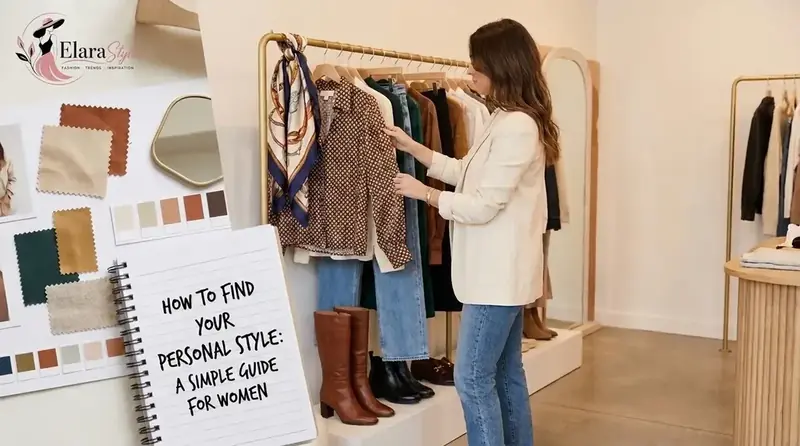
You know that specific kind of frustration. The wardrobe is full. Genuinely, properly full—hangers jammed together, a pile on the chair, that one dress you bought for a wedding and never wore again. And yet, at 7:40 on a Tuesday morning, you're standing there in a towel thinking, "I have nothing to wear."
Actually, you are not wrong. You have plenty of clothes. What you don't have is a point of view.
That's the bit nobody explains. We're taught to shop—buy this, try that, add to basket—but nobody sits you down and says, "Right, let's work out what you actually like and how to put it together." So you end up with a wardrobe full of things you liked in a fitting room and nothing that adds up to a look.
Table of Contents
- What Is Personal Style?
- How to Find Your Personal Style in 6 Steps
- How to Identify Your Personal Style Aesthetic
- How to Turn Your Personal Style Into Everyday Outfits
- How to Develop Your Personal Style on a Budget
- Common Personal Style Mistakes to Avoid
- Your Personal Style Checklist
- Frequently Asked Questions
- Conclusion: Finding a Style That Feels Like You
That's what finding your personal style actually fixes. Not by buying more. By getting clear on what suits you, what you genuinely enjoy wearing, and how to combine it. You don't need a new wardrobe—you need to see the one you've got differently.
So that's what this personal style guide does. Six easy steps to follow, an analysis of the major style types, and practical tips on how to achieve it all on a limited budget. No need to follow trends, no wild shopping spree, and certainly no personality change.
What Is Personal Style?
Let's clear something up first, because the two get mixed together constantly.
Personal style vs. fashion trends
The trends are basically whatever the fashion industry comes up with each season. While they are helpful because they help to update your vision and give you new ideas, they are not yours. They come, they flourish, and then leave only to come back again in about a decade or two.
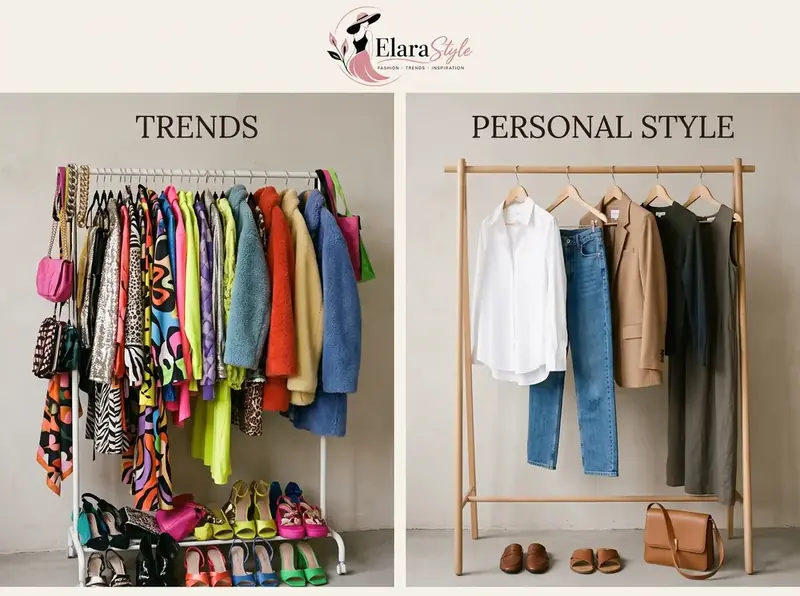
Personal style, on the other hand, is a set of features that is present in all the clothing you like and feel comfortable wearing. It does not go out of date with changing seasons. You can always enjoy fashion trends; however, personal style will keep you from buying things that would be gathering dust in your closet after six months.
Think about it in this way: the trends will show you what is available while your personal style will show what is right for you.
The reasons why personal style can incorporate more than one aesthetic
This is where most people get confused. They do a quiz and find out that they are classics. Then they start feeling guilty about their desire to dress romantically or relaxedly.
This is completely nonsense.
One may have more than one aesthetic. That's not indecision—it's range. Most people with genuinely good style have a few influences running alongside each other. The trick is knowing which one to lean into for which occasion, and we'll get to that.
How to Find Your Personal Style in 6 Steps
Right—this is the part that actually gets you somewhere. Six steps, in order. Take them one at a time rather than trying to do it all in one evening.
Step 1—Review the outfits you already love wearing.
Start with evidence, not imagination. Pull out the outfits you reach for again and again—the ones you wear when you want to feel good, not just covered up.
Look for patterns. Are they all similar in shape? Similar in color? Do they all feel relaxed, or sharp, or soft? The things you already love are telling you what your taste actually is. You just haven't been listening.
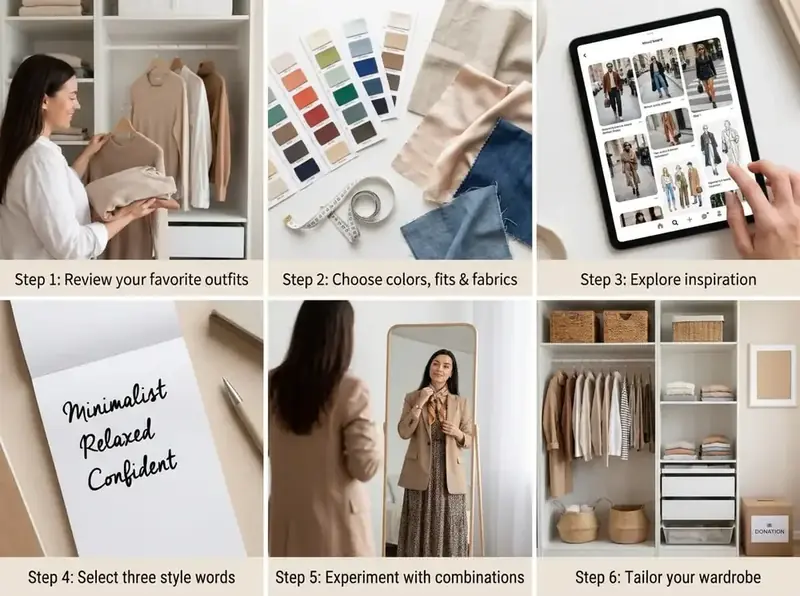
Step 2—Choose your favorite colors, fits, and fabrics.
Once you've spotted the patterns, get specific.
Which colors do you keep coming back to? What fits your personal style best? Do you prefer high or low waists, or oversize or fitted clothes? And what fabrics do you love—soft knits, classic cottons, or airy linens?
This isn't about what you think you should like. It's about what you actually wear.
Step 3—Explore fashion inspiration and save what appeals to you
Now go looking. Scroll through Pinterest, save what catches your eye on Instagram, and notice people on the street whose stylish outfits you admire.
Don't analyze yet—just collect. Save 20 or 30 images over a week or two. Then look at them together and ask yourself what they have in common. The answer is usually more obvious than you'd expect.
Step 4—Select three words that describe your style.
Now comes the tricky part that most people just skip. But, in fact, this is the step where all the magic takes place.
Write down three words that will show how you should look and feel. Relaxing, minimalist, warm or sharp, classic, and confident. List these words somewhere where you can see them often.
These three words are now your filter. You use this as a test to see if something you want to buy fits with your three words or not.
Step 5—Experiment with different outfit combinations.
Now the fun part. Take your three words and start building my style outfit ideas from what you already own.
Try combinations you haven't worn before. Tuck differently. Layer something new over something familiar. Swap shoes. Some will work, and some won't—and both results are useful information.
Step 6 – Tailor your wardrobe according to your preferences.
Now is the time when you will have a lot more understanding about yourself and your preferences. Put this knowledge to use.
Notice what you consistently avoid—those are the pieces to let go of. Notice what you keep reaching for—those are your personal style ideas in physical form. Build around them, not around a trend.
How to Identify Your Personal Style Aesthetic
Style types aren't boxes you have to climb into. Think of them as a starting point—a language for describing what you already lean toward.
Let's take a look at the most popular:
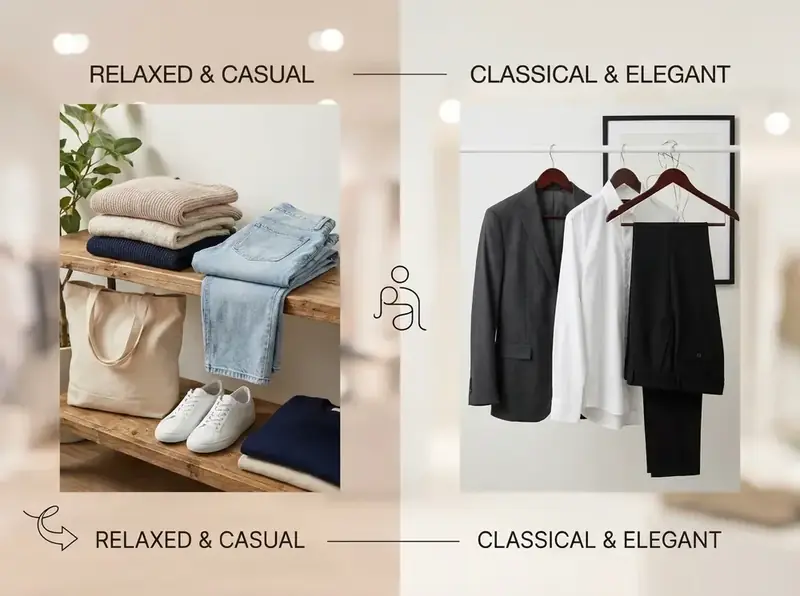
Relaxed and casual
Relaxed, simple, and informal style. Picture easy jeans, comfortable knits, and new sneakers. This is the style of someone who likes to be fashionable without effort.
Classical and elegant
Elegant cuts, neutral shades, and timeless outfits. Properly fitted jackets, classical shirts, and simple trousers. It's the style of the one who knows how to navigate the world of fashion.
Minimalistic and unobtrusive
Less is more. Minimal amount of clothes, neatly cut. Minimalist style does not mean having fewer things for the sake of it—it means the omission of everything superfluous.
Romantic and ladylike
Elegant dresses, fancy accessories, and soft materials. Romantic style values beauty just for the sake of it—for example, an exquisite dress in soft shades with laces and floral motifs.
Bohemian, artistic, eclectic
Textures vary, with contrasts in prints and styles and handmade elements. The bohemian style is laid-back and artistic.
Street fashion and edgy
Statement outfits, sharp cuts, sneakers, and streetwear styling. Streetwear adds an element of freedom and confidence—just the opposite of conformity.
You are likely to find your personal style aesthetic represented by two or three of these. It's quite usual; after all, your aesthetic style combines several influences.
How to Turn Your Personal Style Into Everyday Outfits
Knowing your style is one thing. Getting dressed every morning is another. This section bridges the two.
Create three repeatable outfit formulas
Here's a habit that'll save you a ridiculous amount of time: stop reinventing the wheel every morning.
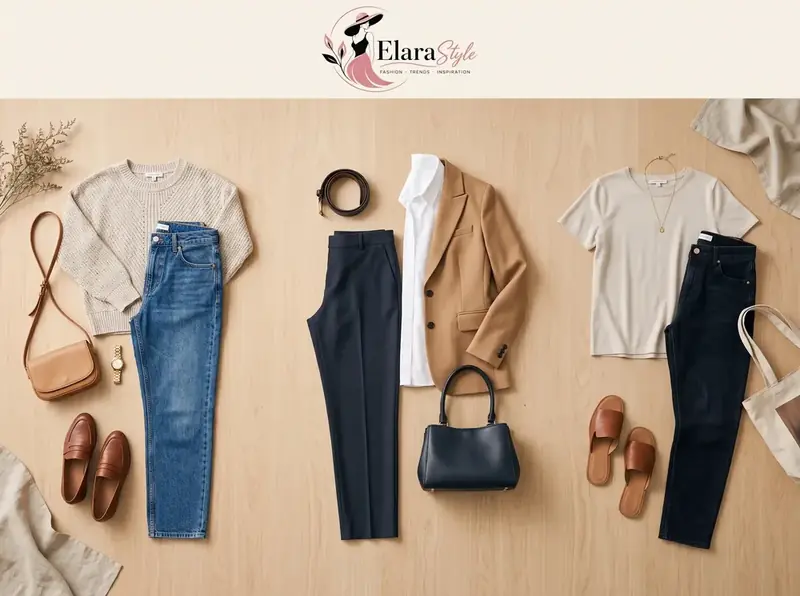
Build yourself three go-to formulas—combinations of pieces that reliably work on you—and just rotate them. That's it. Three.
For example: a knit blouse, straight-leg jeans, and loafers. Or tailored trousers + plain shirt + jacket. After that, dressing up will not take longer than ninety seconds, and you will be going out of your apartment in style.
In this case, the trick does not lie in variety but rather in possessing some good outfits.
Combining colors, textures, and accessories
When formulas start playing their main role, then it is high time to start playing with them.
Make your outfit interesting with the help of color and texture. A tonal combination with one contrasting element. Cotton against a soft knit. One nice belt, one small necklace—no more than that. This is exactly what brings your look together effortlessly.
Adjust outfits for work, university, weekends, and special occasions
Formulas will be able to help you cope with everything. This is their advantage.
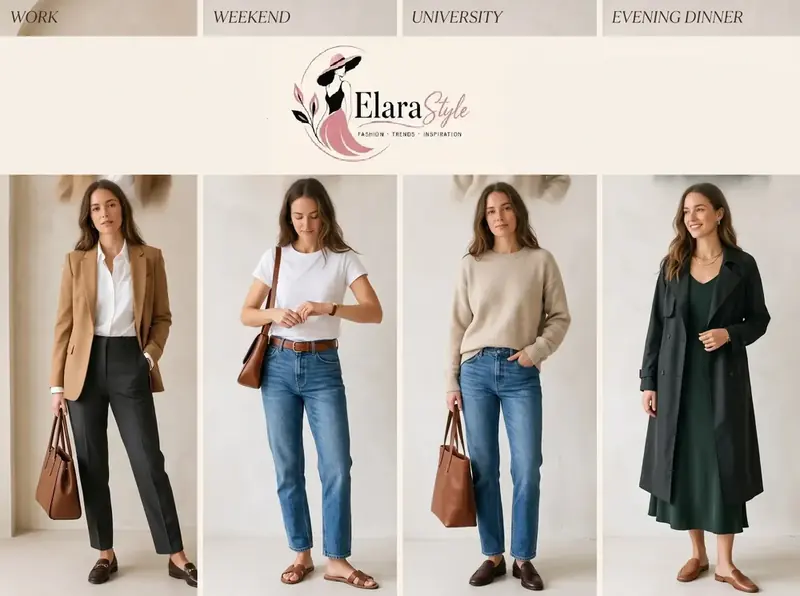
For example, the combination of trousers and a shirt for work days. That is the right choice. If instead of trousers you put on jeans and a shirt, you should change it to a t-shirt, and then you will be in perfect weekend attire. All you need is to change the jacket and shoes, and you are ready for dinner in elegance.
Adjust for climate, comfort, and modesty preferences
Be appropriate to the weather; wear light fabrics in summer and proper knits in winter. Be appropriate to your comfort level, too.
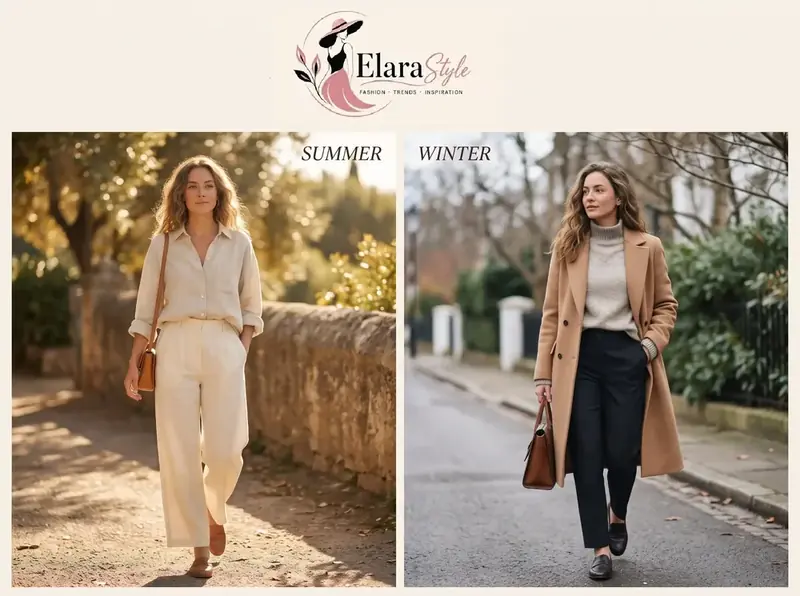
There should be no need for you to be restricted in your movements because of the clothes you are wearing. You don’t need to feel modest and adjust to it without saying anything.
How to Develop Your Personal Style on a Budget
Here's the reassuring part: none of this requires a big spend. In fact, most of it costs nothing at all.
Start with clothes you already own
Before anything else, work with what's in your wardrobe. Do a proper audit—take out five of your most-worn pieces and build three complete outfits from them. This way, you will see what works and, most importantly, what is lacking.
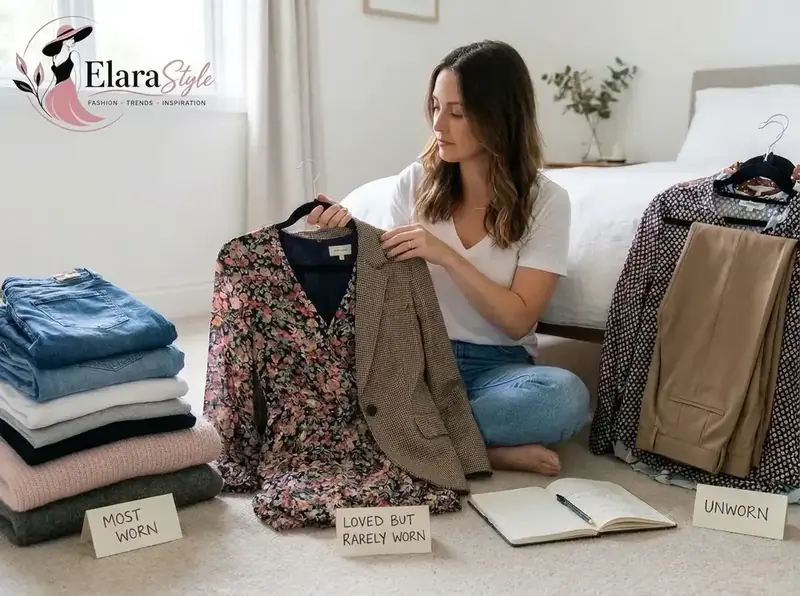
Find out where your wardrobe needs are first
Only after that exercise should you consider buying anything. And when you do, buy to fill a real gap—not to chase a trend. If you've got plenty of tops but no trousers that fit properly, that's your gap. That's what you shop for.
Make your current clothes appear different through styling
Rather than purchasing new things all the time, why not style your current wardrobe differently. Tuck, layer, roll, belted looks, change footwear, or add a scarf. A surprising number of "I need something new" moments can be solved with a five-minute styling change instead.
Common Personal Style Mistakes to Avoid
Some minor problems that may come up:
- Taking an outfit wholesale instead of choosing elements: Look at the idea behind it—colors, shapes—and figure out how to use them in your own way. You won’t be able to squeeze it into your life wholesale.
- Purchasing clothes for an imaginary persona: Purchasing clothes to suit a persona you wish to have but who doesn't exist yet. If you don't attend galas, don't purchase for galas. Purchase for your week-to-week reality.
- Experimenting with every single aesthetic: This means trying everything and thus being committed to nothing. Allow yourself to find a settled style.
- Restricting yourself to one particular style label: You can have diversity. The tag is only there to guide you, not to confine you.
- Ignoring comfort and convenience: If it annoys, irritates, and confines you, it is not your style.
Your Personal Style Checklist
Keep this in a place where you'll actually be able to find it later. Notes app, screenshot, back of a notebook... wherever you like. Return to it anytime you feel stuck or standing in front of your closet with that all too familiar blank expression.
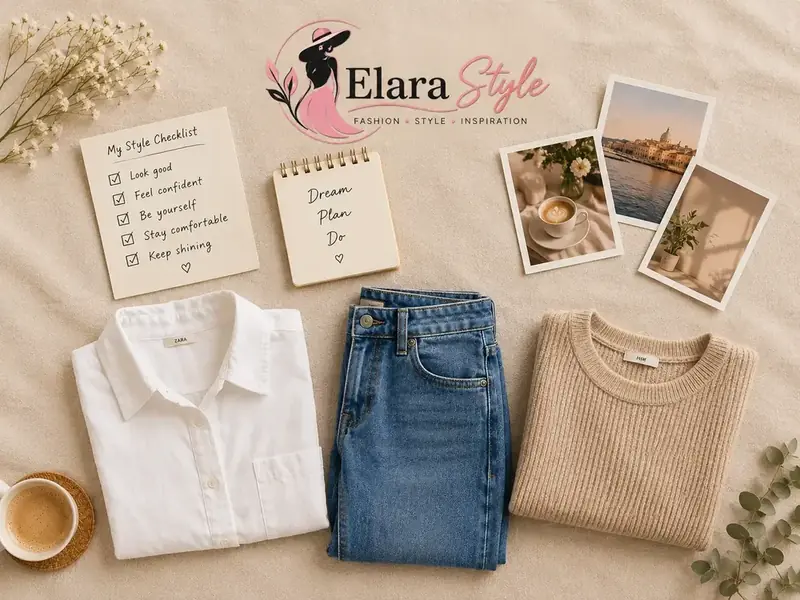
The 5-Step Personal Style Routine
- Choose three words that define your style.
- Write down your go-to colors, silhouettes, and details.
- Save a small handful of inspiration images—not a thousand, just enough to see the pattern.
- Build three complete outfits using only what's already in your wardrobe.
- Take note of what works and what needs a tweak.
And that's genuinely it. Five lines. That's the whole process—no course, no shopping spree, no personality overhaul required.
Frequently Asked Questions
Quick answers to help you navigate finding your signature style with clarity and confidence.
How can I figure out my own style when I am a beginner?
Can I have multiple personal styles?
How can I determine my personal style without buying anything new?
How do I understand which fashion style will suit me?
Can my personal style change over time?
Conclusion: Finding a Style That Feels Like You
Finding your personal style is not a one-time project that ends with a checklist. It is an ongoing relationship with how you present yourself to the world. When you shift the focus away from constant consumption and toward intentional curation, dressing up stops being a daily chore and becomes a creative, empowering ritual.
Trust what makes you feel comfortable, build dependable formulas around your favorite silhouettes, and remember: true elegance is simply wearing who you are with quiet, effortless confidence.