Attending a Pakistani wedding is an exhilarating sensory experience steeped in centuries-old traditions, rich color palettes, and breathtaking artisanal embroidery. A typical wedding spans multiple days, each with its own distinct aesthetic, dress code, and cultural etiquette. Navigating between vibrant celebratory hues and regal formal grandeur requires thoughtful styling.
1. The Mehndi & Mayun: Joyful Hues and Rhythmic Movement
The Mehndi and Mayun events kick off the wedding festivities with music, dance performances, and vibrant celebration. The dress code here is lively, playful, and comfortable enough for dancing.
- Color Palette: Marigold yellow, tangerine orange, parrot green, fuschia pink, and royal turquoise.
- Silhouettes: Flared shararas, lightweight embroidered anarkalis, or short kurtis paired with voluminous ghararas.
- Embroidery & Embellishment: Gotta patti, mirror work (shisha), and colorful resham threadwork. Avoid heavy metal wire embroidery like heavy zardozi, which can be restrictive.
- Footwear: Traditional embroidered khussas or juttis with cushioned soles so you can enjoy the dance floor in comfort.
2. The Barat: Aristocratic Grandeur and Refinement
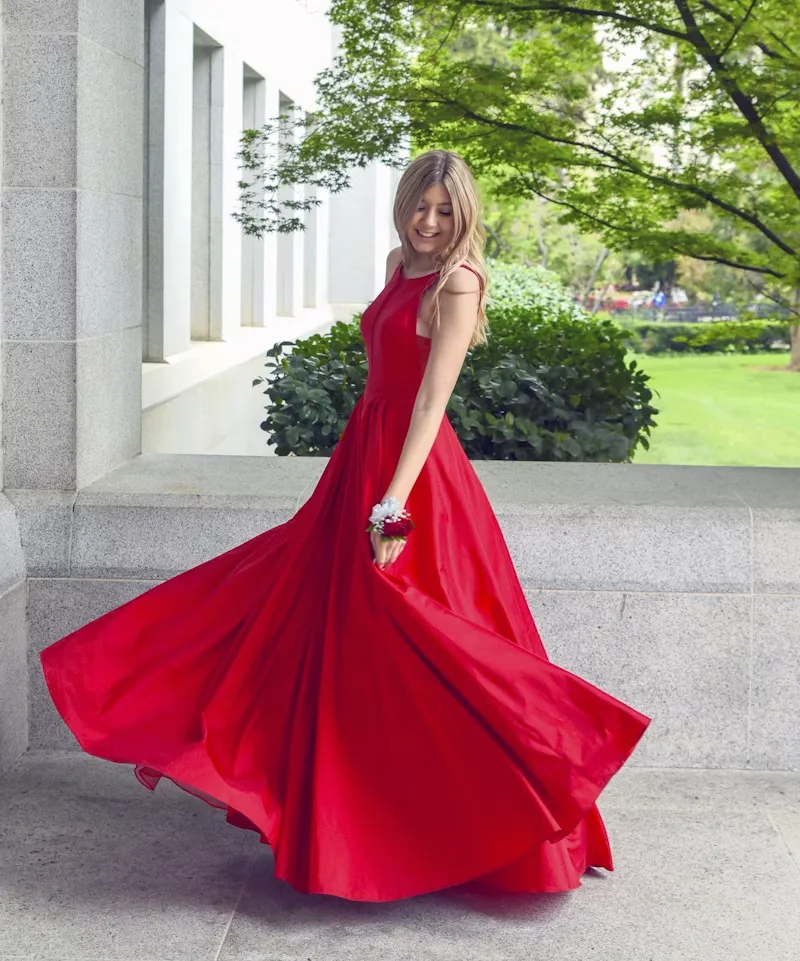
The Barat is the main wedding ceremony hosted by the bride's family. It demands formal grandeur and regal opulence. However, the cardinal guest rule applies: never outshine the bride. The bride will traditionally wear crimson, scarlet, or ruby red; therefore, guests should steer clear of bridal reds.
- Color Choices for Guests: Deep jewel tones such as emerald green, royal sapphire, plum, midnight navy, burnt copper, or antique gold.
- Fabrics: Pure micro-velvet, Banarasi brocades, raw silk (chanderi), and organza.
- Embellishment: Intricate hand-worked zardozi, dabka, pearls, and tilla embroidery along hemlines and statement dupattas.
- Jewelry: Kundan or Polki statement choker necklaces, jhumkas, and structured potli clutches.
3. The Walima Reception: Pastel Elegance & Contemporary Glamour
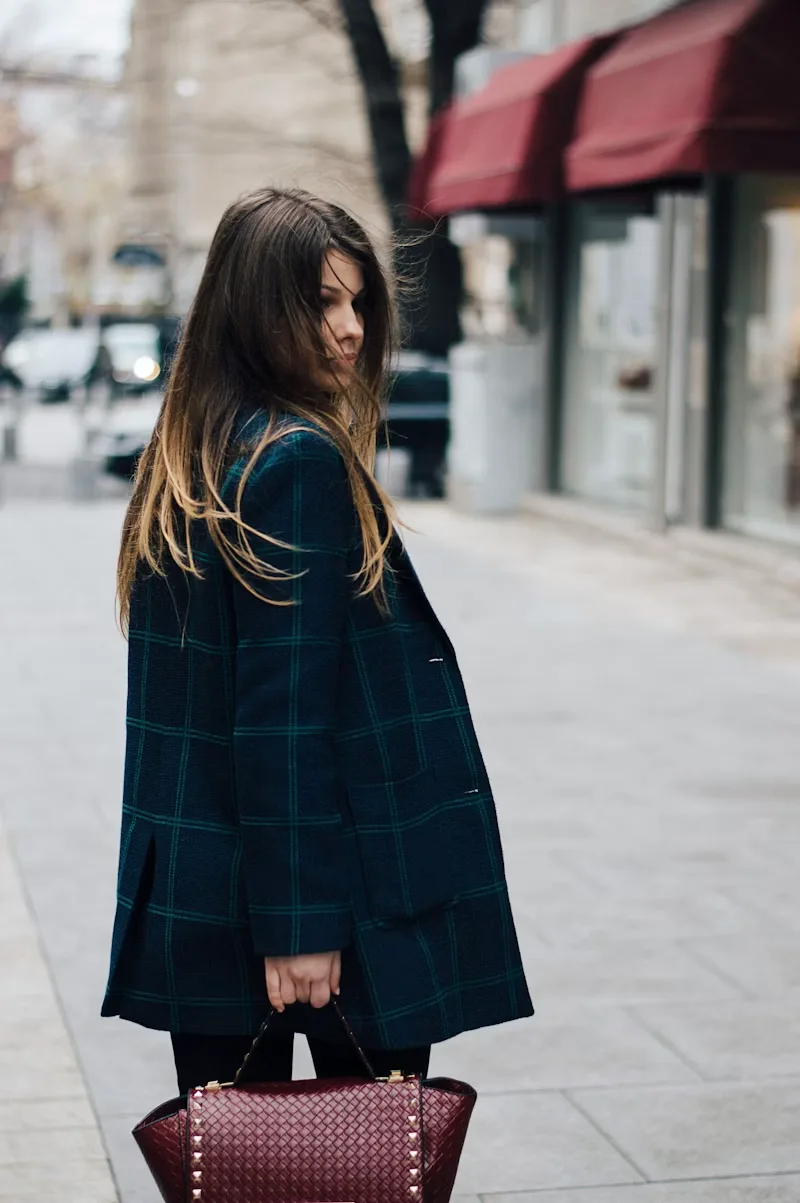
Hosted by the groom's family, the Walima reception is characterized by contemporary sophistication, subtle romantic palettes, and sculpted evening wear.
- Color Choices: Muted pastels, champagne ivories, ice blue, sage mint, lavender, and soft blush rose.
- Silhouettes: Floor-length gowns, front-open peshwas, cape jackets layered over straight pants, and tissue organza sarees.
- Details: Delicate silver threadwork, swarovski crystals, pearl beading, and feathered or scalloped hemlines.
"The beauty of South Asian formalwear lies in proportion and handcraft. Choose one statement piece—whether an intricately worked dupatta or a sculpted velvet jacket—and let it breathe."
Essential Guest Etiquette Tips
- Respect Cultural Modesty: Ensure hemlines and necklines are appropriately aligned with the family's traditions. Keep a matching dupatta draped gracefully over one shoulder or across both arms.
- Fabric Selection for the Season: Winter weddings (November–February) call for heavy velvets, silks, and pashmina shawls. Summer weddings (March–August) demand breezy chiffons, net, and fine georgettes.
- Men's Wedding Attire: Men look impeccably sharp in raw silk or blended bandhgala prince coats, tailored sherwanis, or crisp cotton kurta pajamas paired with a contrasting embroidered waistcoat and Peshawari chappals.